

CCTV Report: Vietnam’s Textile and Dyeing Industry Faces a Triple Blow—Logistics Disruptions, Raw Material Shortages, and Declining Orders
Recently, the Houthi armed forces in Yemen have launched multiple ballistic missiles towards southern Israel, causing a sharp increase in shipping risks in the key Red Sea waterway of the Mandeb Strait. The military conflict in the Middle East has exceeded its local scope and evolved into a structural obstacle to the global supply chain.
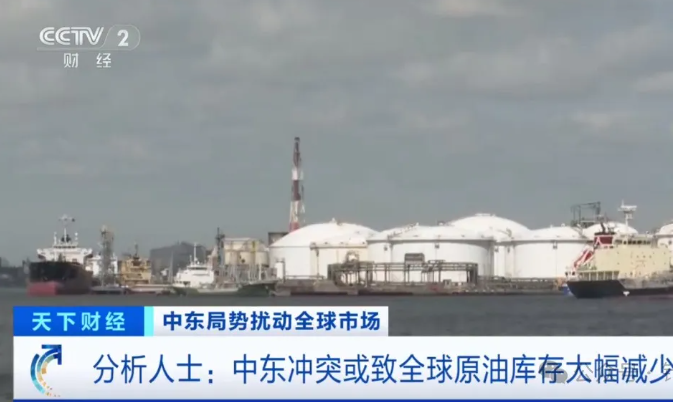
Analysts point out that the impact of this conflict on the international oil market continues to expand. If the situation continues, global crude oil inventories will be rapidly depleted, and the rise in oil prices will not be limited to the energy sector, but will be transmitted downstream through basic raw materials such as naphtha to the petrochemical industry chain, ultimately affecting plastics and various consumer goods. According to data from Altana, a supply chain analysis company, the Gulf region transports approximately $733 billion worth of petrochemical related products annually, which in turn affects approximately $3.8 trillion worth of downstream goods. The increase in industrial chain costs has a significant "multiplier effect" and will be amplified at various levels.

This impact has been directly transmitted to the textile and clothing industry in Vietnam.
According to the Vietnam Quality magazine on March 25th, the obstruction of the Red Sea waterway has forced ships to detour around the Cape of Good Hope, resulting in an extended delivery cycle of 14-20 days and severely impacting fast fashion products that are time sensitive; The cost of shipping has significantly increased, with container freight rates to the United States and Europe rising by 2-3 times. The US East Coast route requires an additional war risk surcharge of $2000-4000 per container; After some high-end orders were converted to air freight, the closure of Middle Eastern airspace resulted in a 70% -100% increase in air freight costs.
More than 70% of Vietnam's textile and clothing industry relies on imports for raw materials. The rise in international oil prices has directly pushed up the prices of synthetic fibers such as polyester and nylon, as well as printing and dyeing chemicals. Coupled with the increase in domestic gasoline prices, which has raised factory operation and inland transportation costs, enterprise profits have been severely squeezed. At the same time, the appreciation of the US dollar further increases import costs and offsets export competitiveness; Export orders to the Middle East region also face bank sanctions, payment and letter of credit disruptions, with approximately $200 million in related orders facing delays or cancellations annually and difficulty in obtaining compensation.
In this context, overseas importers' procurement strategies have shifted towards risk stocking, abandoning the just in time fast fashion model and requiring factories to compress production cycles; The brand also prioritizes the production of high profit products such as sportswear to cover the high shipping costs.
To cope with multiple shocks and achieve the goal of exporting $49-49.5 billion in the textile industry by 2026, the Vietnam Textile and Apparel Association (VITAS) recommends that companies implement the "three diversification strategies" of market, product, and customer, while promoting the diversification of transportation methods and optimizing raw material structure to reduce supply chain risks.





Please first Loginlater ~